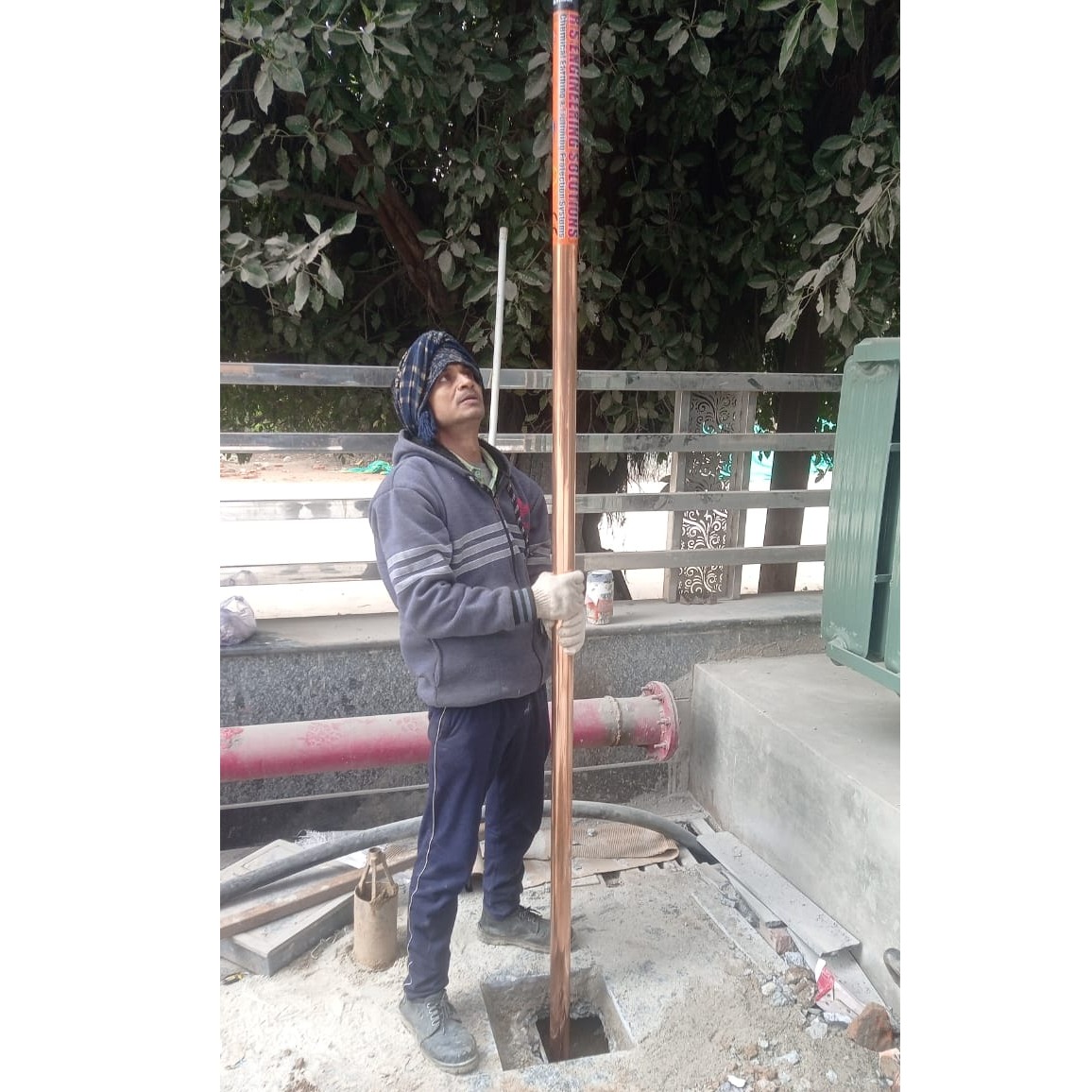
Best Earth Pit Installation Company in Noida Sector 62
An earth pit, also known as an earth electrode, is a crucial component of any electrical installation. It provides a low-resistance path for fault currents to flow safely into the earth, protecting equipment and personnel from electrical shock. Proper earth pit installation is essential to ensure the safety and reliability of your electrical system.
Why is Earth Pit Installation Important?
- Safety: Protects against electrical shock by diverting fault currents into the ground.
- Equipment Protection: Safeguards electrical equipment from damage caused by voltage surges.
- Lightning Protection: Dissipates lightning strikes safely.
Key Steps in Earth Pit Installation
-
Site Selection:
- Choose a location with moist, clay-rich soil.
- Avoid areas with high water table or rocky terrain.
- Consider the proximity to underground utilities.
-
Excavation:
- Dig a pit of the required depth (usually 8-10 feet).
- The diameter should be sufficient to accommodate the earth electrode and backfill material.
-
Earth Electrode Installation:
- Use a galvanized steel rod or copper-clad steel rod as the earth electrode.
- Drive the electrode deep into the ground using a specialized tool.
- Ensure proper depth and vertical orientation.
-
Backfilling:
- Fill the pit with a mixture of charcoal and salt or a specialized earthing compound.
- Alternate layers of the mixture and soil can be used.
- Compact the backfill material to ensure good electrical contact.
-
Earthing Conductor Connection:
- Connect the earth electrode to the main earthing terminal using a heavy-gauge copper conductor.
- Ensure a tight and corrosion-resistant connection.
-
Testing and Inspection:
- Use a Megger or other suitable instrument to measure the earth resistance.
- The resistance value should be as low as possible, typically below 10 ohms.
- Regular inspections are crucial to maintain the effectiveness of the earth pit.
Maintenance Tips
- Regular Inspection: Check for corrosion, damage, and loose connections.
- Resistivity Testing: Conduct periodic tests to ensure low earth resistance.
- Backfill Recharge: Add fresh charcoal and salt mixture as needed to maintain conductivity.
- Clear Obstructions: Remove any debris or vegetation from the earth pit area.
By following these guidelines and prioritizing safety, you can ensure the proper installation and maintenance of your earth pit, safeguarding your electrical system and protecting lives.