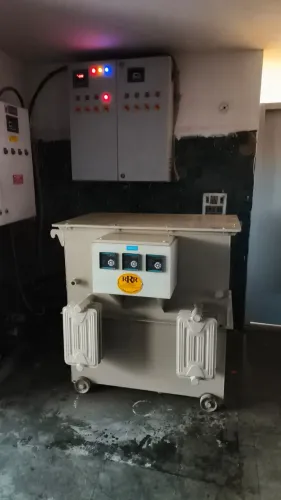
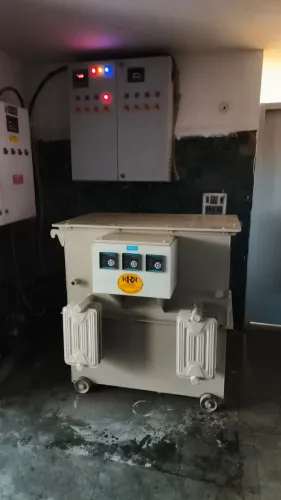
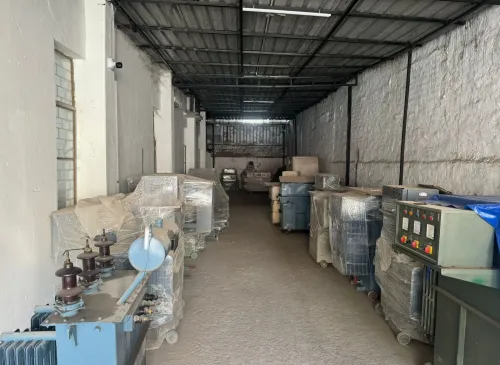
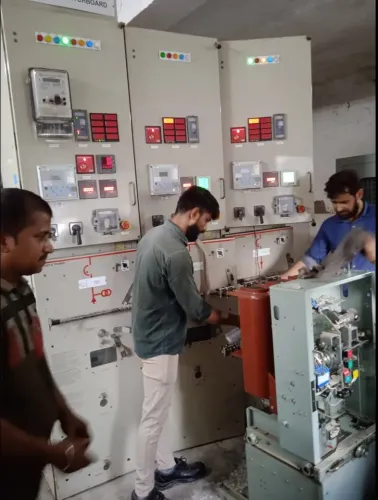
A distribution panel, also known as an electrical panel, breaker box, load center, or panel board, is a crucial component of any electrical system.
Function of a Distribution Panel:
The primary function of a distribution panel is to safely and efficiently distribute electrical power.
Key Components:
A distribution panel consists of several key components:
- Enclosure: The metal box that houses all the internal components, providing protection from physical damage and electrical shock.
- Main Breaker: A large breaker that controls the entire power supply to the panel.
It acts as the main disconnect for the entire system. - Circuit Breakers/Fuses: Protective devices that interrupt the flow of electricity in case of an overload or short circuit, preventing damage to wiring and equipment, and minimizing the risk of fire.
Circuit breakers can be reset, while fuses must be replaced after they blow. - Busbars: Conductive bars (usually copper or aluminum) that distribute power from the main breaker to the individual circuit breakers or fuses.
- Neutral Bar: A connection point for neutral wires, which carry the return current back to the source.
- Ground Bar: A connection point for grounding wires, providing a path for fault current to safely return to the ground, minimizing the risk of electric shock.
- Wiring: The network of wires connecting all the components within the panel and extending to the various circuits throughout the building.
Types of Distribution Panels:
Distribution panels can be categorized based on various factors:
- Main Panel vs. Sub Panel: The main panel receives power directly from the utility company, while a sub panel is fed from the main panel and provides additional circuits for specific areas or loads.
- Residential, Commercial, and Industrial Panels: These are designed to handle different levels of electrical demand, with industrial panels being the most robust and capable of handling high power loads.
- Lighting Panels and Power Panels: Some panels are specifically designed for lighting circuits, while others are designed for high-power equipment and machinery.
Importance of Proper Installation and Maintenance:
Proper installation and maintenance are crucial for the safe and reliable operation of a distribution panel:
- Safety: Correct wiring and grounding are essential to prevent electrical shocks and fires.
Improper installation can lead to serious hazards. - Code Compliance: Installations must comply with local electrical codes (such as the National Electrical Code in the US) to ensure safety and legality.
- Preventing Overloads and Short Circuits: Properly functioning circuit breakers and fuses are essential to protect against overloads and short circuits, which can damage equipment and cause fires.
- Regular Inspections: Regular inspections by a qualified electrician can identify potential problems before they become hazardous.
- Maintenance: Regular maintenance, such as tightening connections and checking for corrosion, can help prevent failures and extend the lifespan of the panel.
Choosing the Right Distribution Panel:
Selecting the right distribution panel involves considering factors such as:
- Amperage: The maximum current the panel can handle.
- Voltage: The voltage of the electrical system.
- Number of Circuits: The number of circuits needed to serve all the loads.
- Load Calculation: Calculating the total electrical load to ensure the panel has sufficient capacity.
- Future Expansion: Planning for potential future electrical needs.
In conclusion, the distribution panel is a vital component of any electrical system, ensuring the safe and efficient distribution of power.