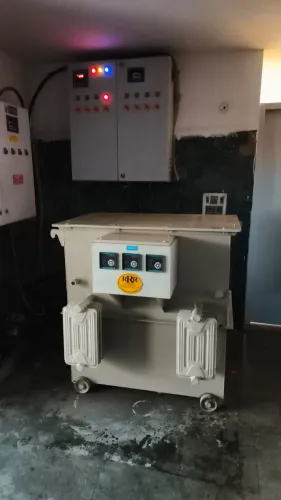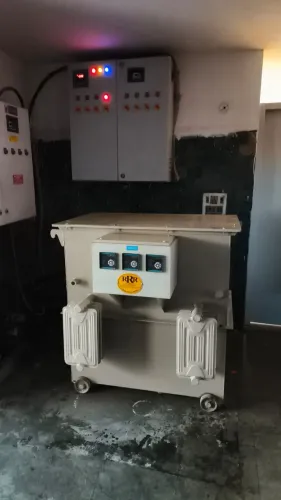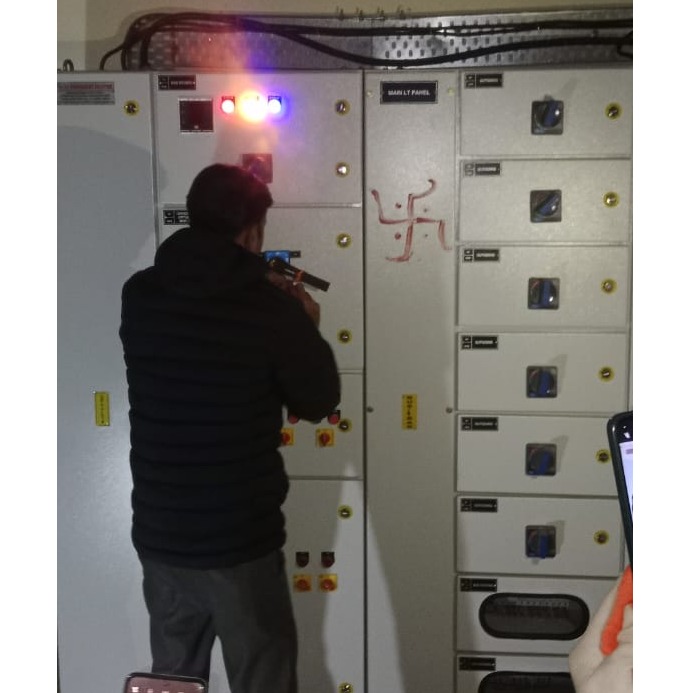
Best Service Provider of LT Panel in Noida 62
What is an LT Panel?
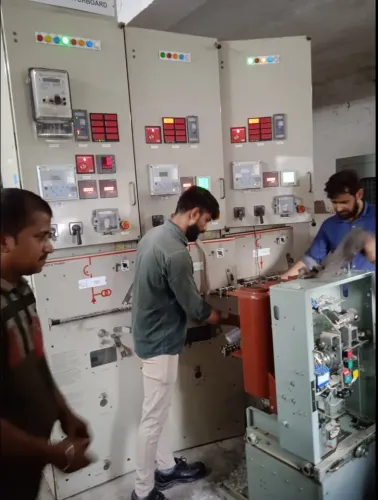
An LT (Low Tension) panel, also known as a Low Voltage Panel, is a crucial electrical component designed to distribute electrical power safely and efficiently within a building or industrial facility. It serves as a centralized hub for controlling, monitoring, and protecting electrical circuits.
Key Components of an LT Panel:
- Incoming Feeder: The point where the main power supply enters the panel.
- Main Switchgear: A device that controls the flow of power to the entire panel.
- Circuit Breakers: These devices protect circuits from overcurrent and short circuits.
- MCCB (Motor Control Circuit Breaker): Specifically designed for motor control applications.
- MCB (Miniature Circuit Breaker): Protects smaller circuits in residential and commercial settings.
- ELCB (Earth Leakage Circuit Breaker): Detects and interrupts earth leakage currents to prevent electric shock.
- RCCB (Residual Current Circuit Breaker): Protects against electrical shock by monitoring the imbalance between the live and neutral currents.
- Busbars: Conductors that distribute power within the panel.
- Metering Units: Measure electricity consumption.
- Auxiliary Relays and Contactors: Control various electrical devices and circuits.
Types of LT Panels:
- Main LT Panel: The primary panel that receives power from the utility grid.
- Distribution LT Panel: Distributes power to various sub-panels or load centers.
- Motor Control Center (MCC): A specialized panel designed to control and protect motors.
Applications of LT Panels:
- Industrial Facilities: Factories, manufacturing plants, and industrial complexes.
- Commercial Buildings: Offices, malls, hospitals, and hotels.
- Residential Buildings: High-rise apartments and villas.
- Data Centers: To power servers and networking equipment.
Benefits of Using LT Panels:
- Safety: Protects against electrical hazards and ensures safe operation.
- Efficiency: Optimizes power distribution and reduces energy loss.
- Reliability: Ensures uninterrupted power supply.
- Flexibility: Can be customized to meet specific requirements.
- Monitoring and Control: Enables remote monitoring and control of electrical systems.
By understanding the components, types, and applications of LT panels, you can make informed decisions to select the right panel for your specific needs.