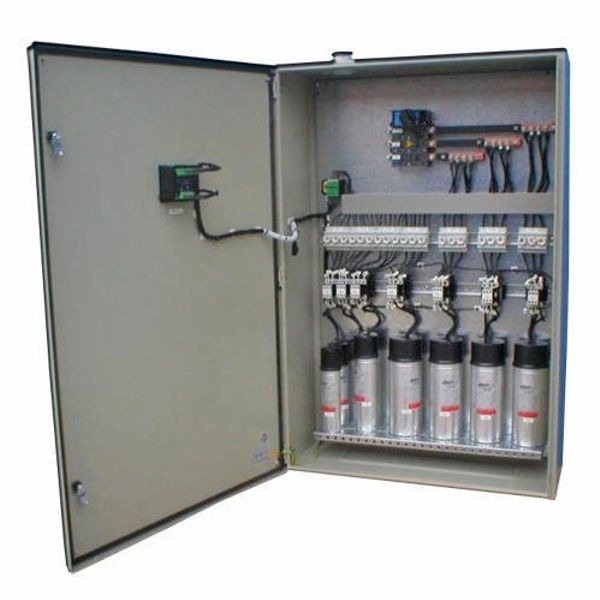
Capacitor Panel Installation Near Me
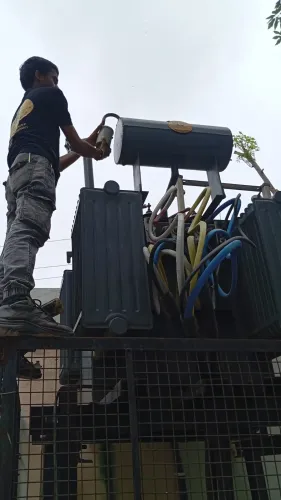
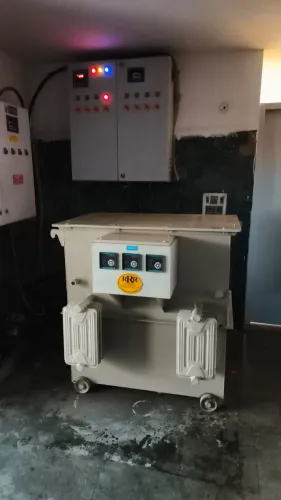
Capacitor panels play a crucial role in power factor correction for commercial and industrial electrical systems. By supplying reactive power, they improve efficiency, reduce energy costs, and enhance the overall performance of electrical equipment. This guide provides a comprehensive overview of capacitor panel installation, covering key aspects from planning to final checks.
1. Planning and Preparation:
- Load Assessment: Analyze the electrical system to determine the required kVAR rating and capacitor bank configuration. This involves assessing the load profile, measuring existing power factor, and calculating the desired correction.
- Location Selection: Choose a suitable location for the panel, considering factors like ambient temperature, ventilation, accessibility, and proximity to the load center. Ensure adequate space for installation and future maintenance.
- Panel Selection: Select a capacitor panel that meets the specific needs of the application, considering voltage rating, current rating, number of steps, protection features, and harmonic filtering requirements.
2. Installation Process:
- Mounting: Securely mount the capacitor panel on a sturdy structure, ensuring proper grounding and adherence to local electrical codes.
- Wiring: Connect the panel to the electrical system using appropriate size conductors and overcurrent protection devices. Ensure proper phasing and connection to the correct bus bars.
- Control Wiring: Install control wiring for automatic or manual switching of capacitor banks, including voltage sensors, current transformers, and control relays.
- Protection Devices: Verify the correct installation and operation of protection devices such as fuses, circuit breakers, and overvoltage protection.
3. Safety Considerations:
- Lockout/Tagout: Always de-energize the electrical system and implement lockout/tagout procedures before commencing any installation work.
- Personal Protective Equipment (PPE): Use appropriate PPE such as insulated gloves, safety glasses, and arc flash protection when working on electrical equipment.
- Qualified Personnel: Capacitor panel installation should only be performed by qualified electricians with experience in power factor correction systems.
4. Commissioning and Testing:
- Visual Inspection: Conduct a thorough visual inspection to ensure all connections are tight, wiring is properly routed, and components are securely mounted.
- Insulation Resistance Test: Perform insulation resistance tests to verify the integrity of the insulation between conductors and ground.
- Functional Testing: Energize the panel and test the operation of capacitor banks, control circuits, and protection devices. Verify proper switching and power factor correction.
5. Maintenance:
- Regular Inspections: Conduct periodic inspections to check for signs of overheating, loose connections, or any abnormalities.
- Capacitor Testing: Perform routine capacitor testing to assess their health and identify any potential failures.
- Cleaning: Keep the panel clean and free from dust and debris to ensure proper ventilation and prevent overheating.
Benefits of Proper Capacitor Panel Installation:
- Improved Power Factor: Reduces reactive power demand, leading to lower electricity bills.
- Increased System Capacity: Frees up system capacity, allowing for additional loads.
- Reduced Voltage Drop: Improves voltage stability and reduces voltage fluctuations.
- Enhanced Equipment Life: Reduces stress on electrical equipment, extending its lifespan.
- Improved Energy Efficiency: Optimizes energy consumption and reduces carbon footprint.