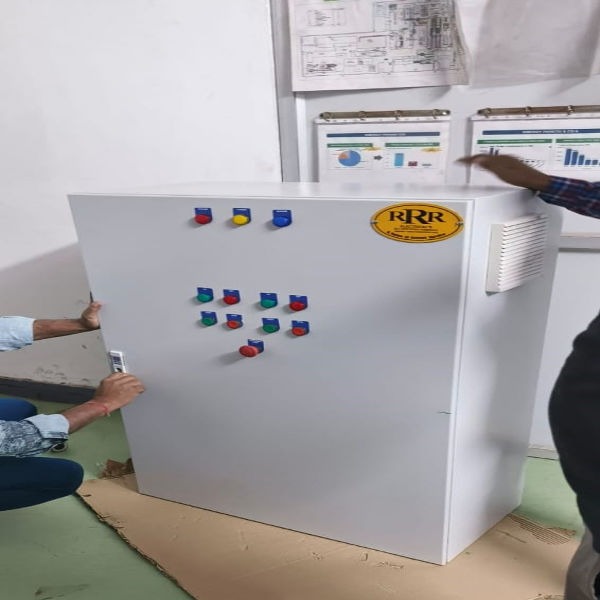
Electrical Control Panel Installation Near Me
Electrical control panels are essential components in a wide range of industrial, commercial, and even some residential settings.
What\'s Inside?
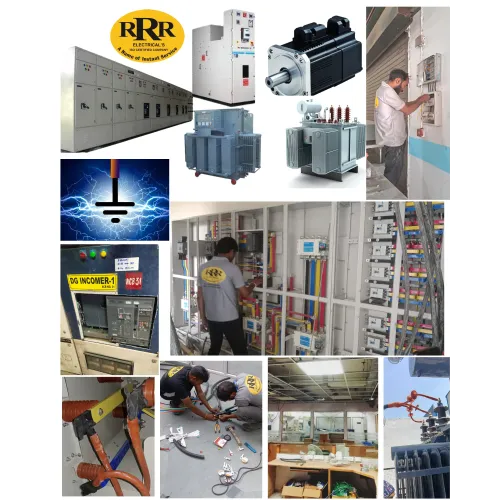
A typical electrical control panel consists of several key components housed within a protective enclosure:
- Circuit Breakers or Fuses: These protect circuits from overloads and short circuits, preventing damage to equipment and potential fire hazards.
- Contactors: Electrically controlled switches used for switching a power circuit on or off.
They are often used to control motors and other high-power devices. - Relays: Electrically operated switches that can control one circuit by opening or closing another circuit.
They are used for various control functions, such as interlocking and sequencing. - Timers: Devices that control the timing of events in a circuit, allowing for automated operation.
- Programmable Logic Controllers (PLCs): Small computers that can be programmed to automate complex control processes.
They are widely used in industrial automation. - Wiring and Terminals: These connect all the components together and provide connection points for external circuits.
- Monitoring Devices: These can include voltmeters, ammeters, and other instruments that provide information about the electrical system\'s status.
Functions of Electrical Control Panels:
- Power Distribution: Distributing electrical power from the main supply to various circuits and equipment.
- Circuit Protection: Protecting circuits from overloads, short circuits, and ground faults.
- Equipment Control: Controlling the operation of motors, lights, and other electrical equipment.
- Automation: Automating complex processes using timers, relays, and PLCs.
- Monitoring: Providing information about the electrical system\'s status.
Types of Electrical Control Panels:
- Motor Control Centers (MCCs): Specifically designed to control motors, often found in industrial settings.
- Lighting Control Panels: Control lighting circuits in buildings.
- Power Distribution Panels: Distribute power to various branch circuits.
- Custom-Built Panels: Designed for specific applications with unique requirements.
Importance of Electrical Control Panels:
- Safety: They protect people and equipment from electrical hazards.
- Efficiency: They ensure efficient use of electrical power.
- Automation: They enable automated control of processes.
- Reliability: They provide reliable operation of electrical systems.