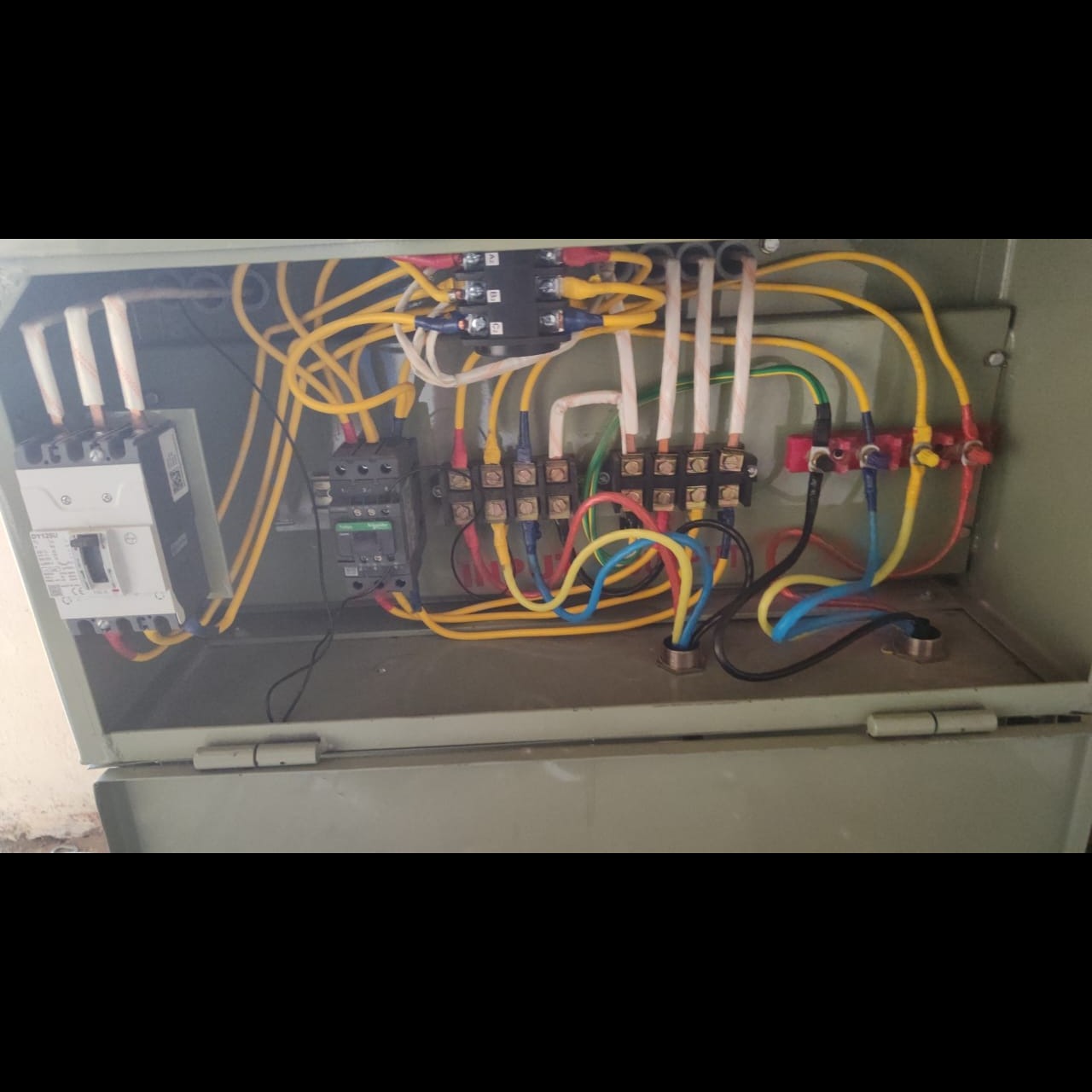
Electrical Repairs and Maintenance in Sector 11 Noida
Industrial Electrical Repairs and Maintenance: Keeping the Power Flowing
In the fast-paced world of manufacturing and industry, electrical systems are the lifeblood of operations.
Why is Industrial Electrical Maintenance so Important?
- Minimizes Downtime: Preventive maintenance identifies potential problems before they escalate into major failures, reducing costly downtime and production losses.
- Extends Equipment Lifespan: Regular inspections and maintenance help prolong the life of electrical equipment, maximizing your investment and delaying costly replacements.
- Improves Safety: Well-maintained electrical systems are safer for workers.
Regular checks can identify and rectify potential hazards like faulty wiring, loose connections, and damaged components, reducing the risk of electrical accidents. - Increases Efficiency: Optimized electrical systems operate more efficiently, reducing energy consumption and lowering operating costs.
- Ensures Regulatory Compliance: Industries must adhere to various safety regulations.
Regular maintenance helps ensure compliance, avoiding penalties and legal issues.
Key Components of an Effective Program:
A comprehensive industrial electrical repairs and maintenance program should include the following:
- Regular Inspections: Scheduled inspections are essential to identify potential problems early.
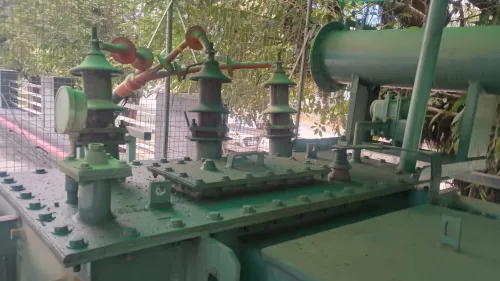
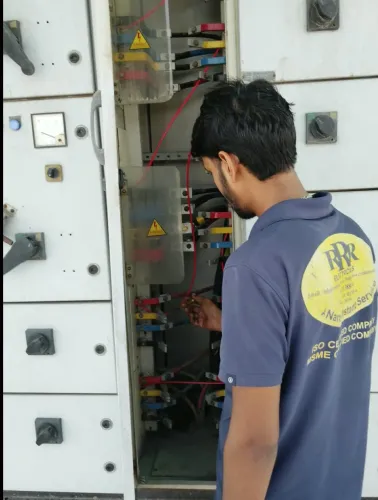
These inspections should cover all critical electrical components, including: - Power Distribution Systems: Switchgear, transformers, circuit breakers, and wiring.
- Motors and Drives: Checking for wear and tear, lubrication needs, and proper operation.
- Control Systems: PLCs, sensors, and other automation components.
- Lighting Systems: Ensuring proper illumination for safe working conditions.
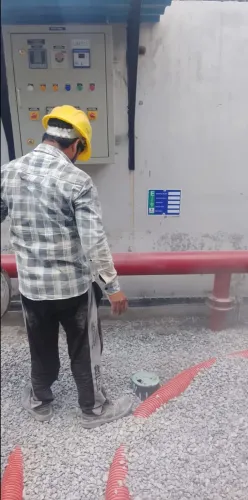
- Grounding Systems: Verifying the integrity of grounding to prevent electrical shocks.
- Preventive Maintenance: This involves performing routine tasks to prevent failures, such as:
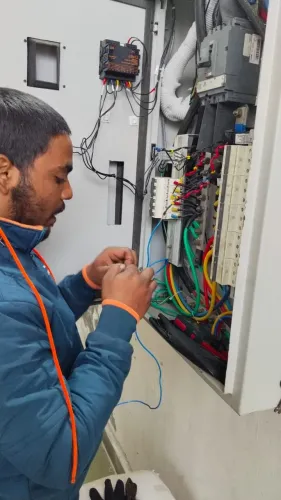
- Cleaning and tightening connections.
- Replacing worn components.
- Testing and calibrating equipment.
- Lubricating moving parts.
- Predictive Maintenance: Utilizing technology to predict potential failures before they occur.
This can involve: - Thermographic imaging: Detecting hot spots in electrical equipment.
- Vibration analysis: Identifying problems with motors and other rotating equipment.
- Ultrasonic testing: Detecting electrical arcing and other issues.
- Thermographic imaging: Detecting hot spots in electrical equipment.
- Emergency Repairs: Having a plan in place for emergency repairs is crucial.
This includes having access to qualified electricians and spare parts to minimize downtime. - Documentation: Maintaining detailed records of all inspections, maintenance, and repairs is essential for tracking equipment performance, identifying trends, and ensuring compliance.