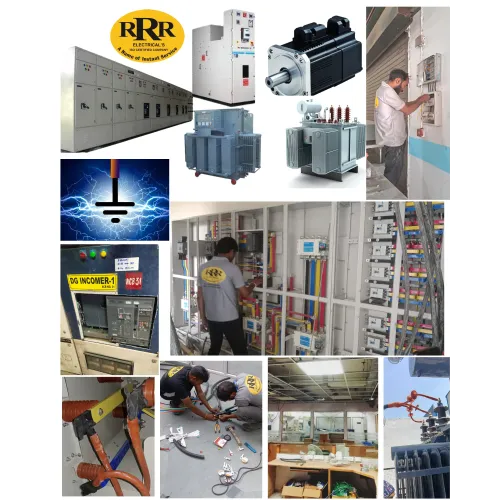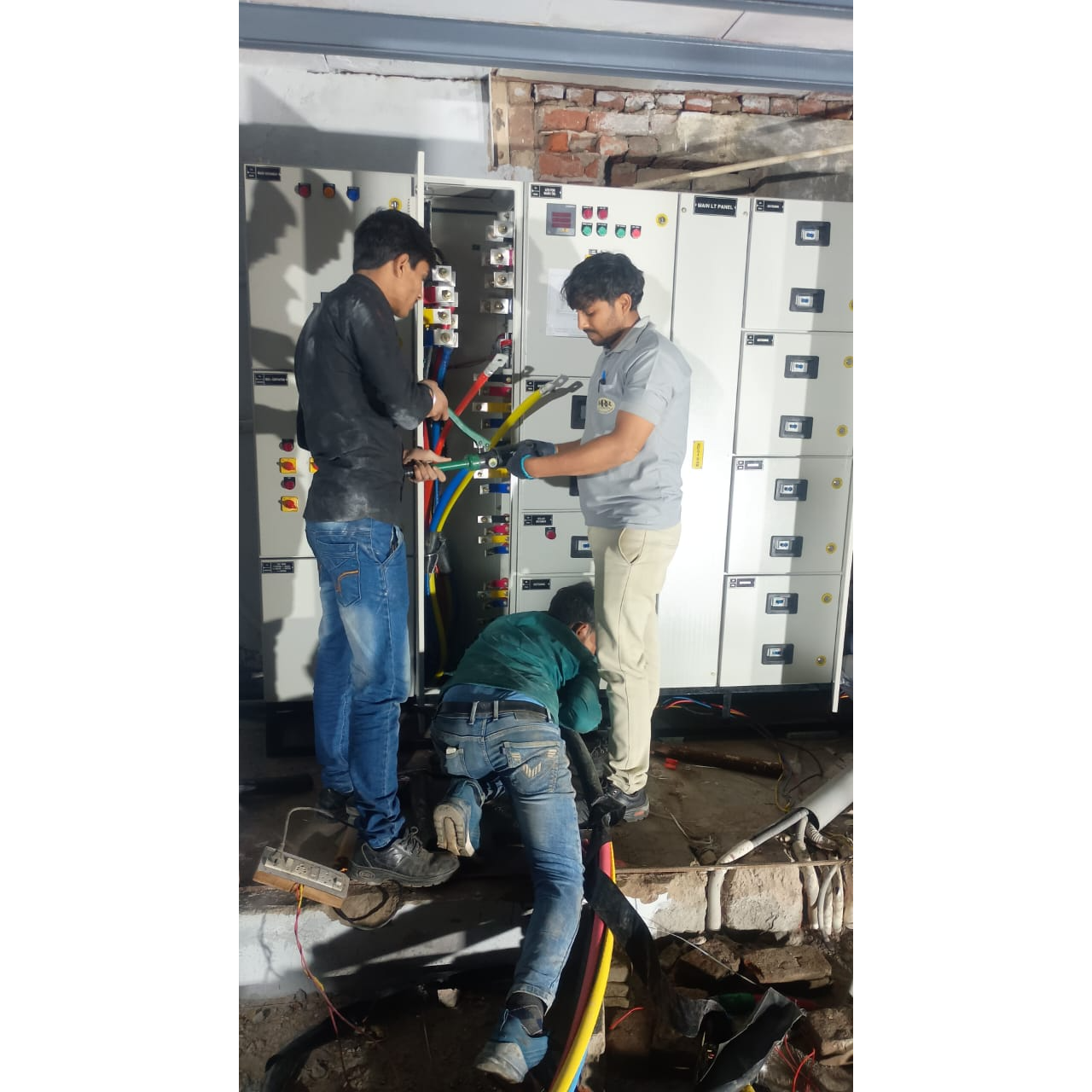
Installation of LT Panels in Sector 63 Noida
Sure! Here's a professional and informative content piece about the Installation of LT (Low Tension) Panels. Let me know if you want it in a more casual tone or for a specific audience (like clients, technicians, or students).
Installation of LT Panels
Overview:
LT (Low Tension) Panels are essential components in electrical distribution systems, used to control and distribute electrical power efficiently in residential, commercial, and industrial applications. The installation of LT panels must follow standard safety protocols and engineering practices to ensure optimal performance and safety.
Steps Involved in LT Panel Installation
-
Site Assessment & Preparation:
Before installation, the site is thoroughly inspected to ensure that it meets all the structural and safety requirements. Adequate ventilation, protection from water ingress, and proper clearances must be ensured. -
Foundation & Mounting:
The LT panel is mounted on a firm foundation, typically made of concrete. Anchor bolts are used to fix the panel securely to the ground to avoid vibrations and movement. -
Cable Entry & Termination:
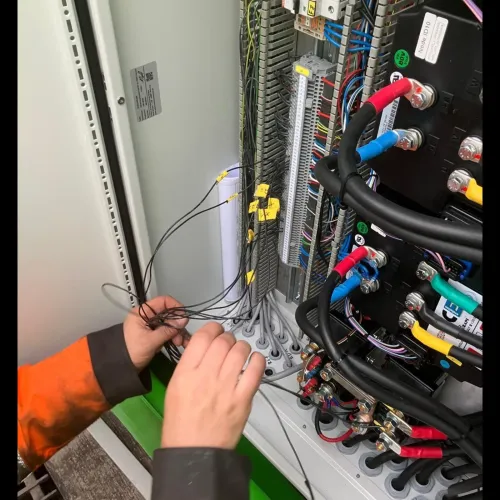
Incoming and outgoing cables are routed to the panel through cable glands. Proper cable lugs and termination techniques are applied to ensure reliable connections and minimize contact resistance. -
Earthing & Bonding:
Earthing is a critical safety step. The panel is connected to the earth electrode system to prevent electrical shocks and ensure system protection. Bonding of all metallic parts is done to maintain equipotential. -
Inspection & Testing:
All connections, circuit breakers, busbars, relays, and protective devices are checked for proper alignment and tightness. Insulation resistance and continuity tests are carried out to ensure the integrity of the wiring. -
Commissioning:
After successful testing, the LT panel is energized in a phased manner. Load balancing and functional checks are performed to verify correct operation. Documentation is completed and the panel is handed over for use.
Safety Considerations
-
All installation work must be performed by qualified professionals.
-
Personal protective equipment (PPE) must be used throughout the installation.
-
Lockout/Tagout (LOTO) procedures should be followed when working on live circuits.
-
Follow the standards set by IEC, IS, or relevant local electrical codes.
Conclusion
Proper installation of LT panels is vital for the safe and efficient operation of electrical systems. It ensures reliability, reduces the risk of faults, and prolongs the lifespan of equipment. Engaging experienced electricians and following standard procedures can prevent costly downtimes and electrical hazards.
Would you like a version tailored for a project proposal, presentation slide, training manual, or marketing brochure?