What are Air Circuit Breakers (ACBs)?
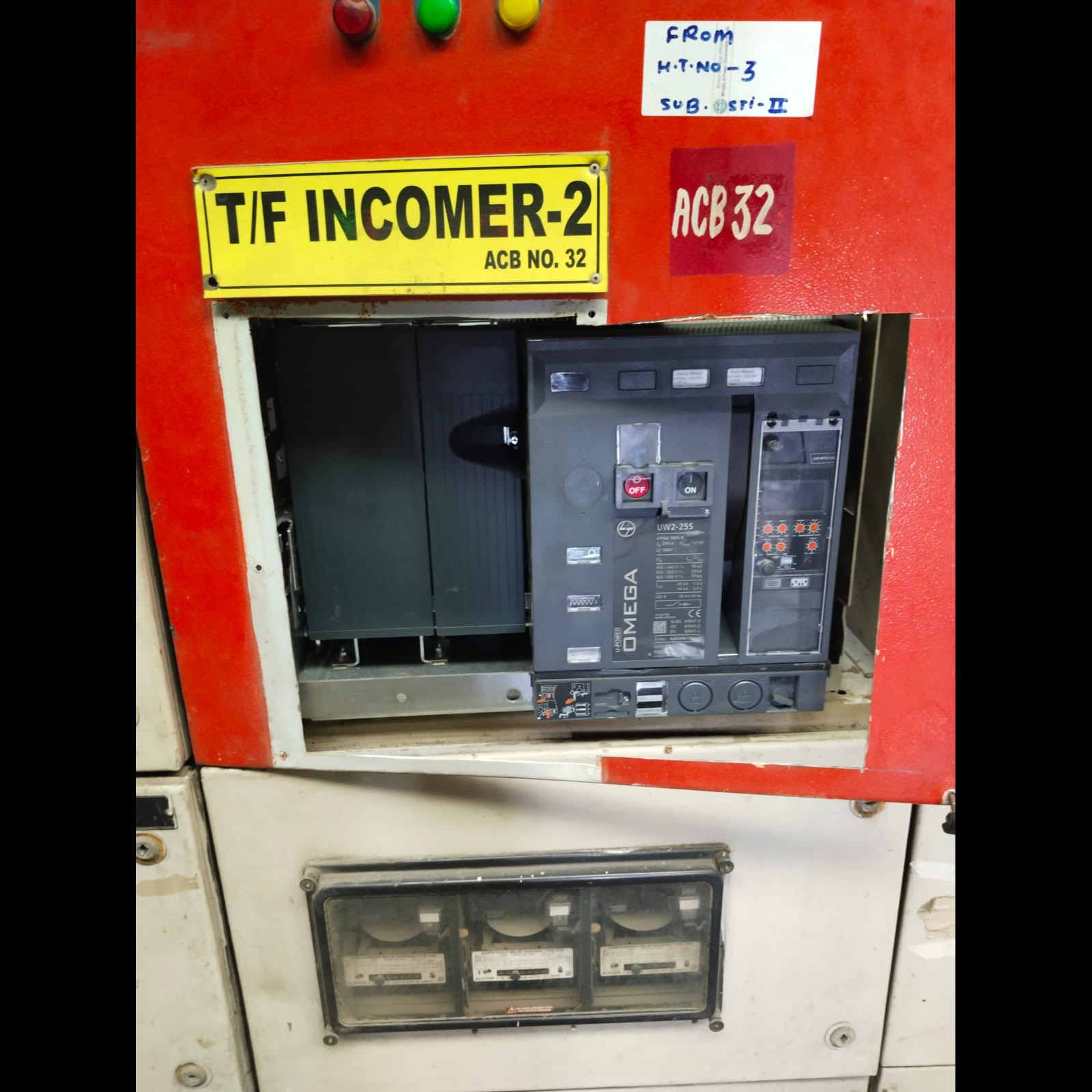
Air Circuit Breakers (ACBs) are crucial electrical protection devices used in low-voltage power distribution systems. They provide protection against overcurrents (overloads and short circuits) and are typically used for high-current applications in industrial, commercial, and utility settings. Unlike Miniature Circuit Breakers (MCBs) used in residential settings, ACBs are designed for higher amperage ratings and often incorporate advanced features like adjustable trip settings and communication capabilities.
Sale of ACBs:
When purchasing ACBs, several factors should be considered:
- Current Rating: Select an ACB with a current rating that matches the load requirements of the circuit it will protect.
- Breaking Capacity: Ensure the ACB\'s breaking capacity (the maximum current it can safely interrupt) is sufficient for the potential fault current at the installation location.
- Number of Poles: Choose the appropriate number of poles (e.g., 3-pole for three-phase systems, 4-pole for three-phase with neutral).
- Trip Unit: Consider the type of trip unit required (e.g., electronic trip units offer more advanced protection and control features compared to thermal-magnetic trip units).
- Standards and Certifications: Verify that the ACB complies with relevant industry standards (e.g., IEC, ANSI).
- Manufacturer Reputation and Support: Choose a reputable manufacturer known for quality and reliability, and ensure they offer adequate technical support and after-sales service.
- Cost and Availability: Balance cost considerations with performance and reliability requirements. Check for lead times and availability to avoid project delays.
Installation of ACBs:
Proper installation is critical for the safe and reliable operation of ACBs. Here\'s a breakdown of key installation considerations:
- Qualified Personnel: Installation should be performed by qualified and experienced electricians who are familiar with ACB installation procedures and safety regulations.
- Safety Precautions: Always de-energize the circuit before starting any installation work. Follow lockout/tagout procedures to prevent accidental re-energization.
- Mounting and Enclosure: Ensure the ACB is securely mounted in a suitable enclosure that provides adequate protection against environmental factors.
- Connections: Use appropriately sized conductors and ensure all connections are tight and secure to prevent overheating and potential fire hazards.
- Testing and Commissioning: After installation, perform thorough testing and commissioning to verify the ACB\'s proper operation and protection settings. This includes:
- Insulation Resistance Testing: To check for insulation faults.
- Continuity Testing: To verify proper connections.
- Trip Testing: To ensure the ACB trips at the correct current levels.
- Functional Testing: To verify the operation of auxiliary contacts and other features.
- Documentation: Maintain proper documentation of the installation, including wiring diagrams, test results, and maintenance records.
Importance of Proper Sale and Installation:
- Safety: Correct selection and installation are crucial to prevent electrical accidents, injuries, and property damage.
- Reliability: Proper installation ensures the ACB operates reliably and provides effective protection against overcurrents.
- Compliance: Adhering to relevant standards and regulations is essential for legal compliance and insurance purposes.
- System Performance: Properly installed ACBs contribute to the overall stability and performance of the electrical distribution system.