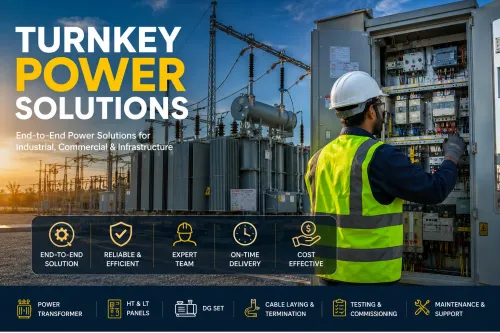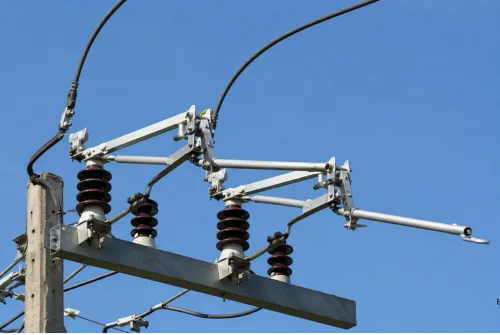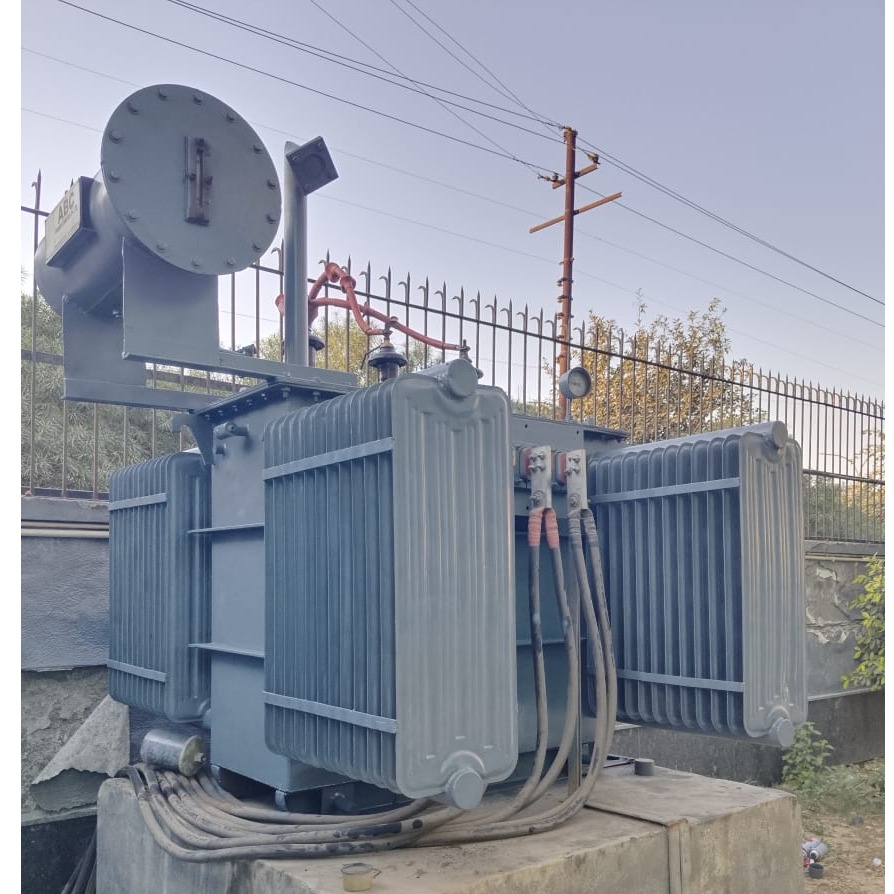
Transformers are essential components of our modern electrical grid, quietly working behind the scenes to ensure that we have reliable power in our homes and businesses. They are the unsung heroes of electricity distribution, efficiently and safely transferring electrical energy between circuits at different voltages.
How Transformers Work
A transformer is a static electrical device that uses the principle of electromagnetic induction to change the voltage of alternating current (AC) electricity. It consists of two or more coils of wire wrapped around a common ferromagnetic core. When an AC voltage is applied to the primary coil, it creates a magnetic field that induces a voltage in the secondary coil. The ratio of the number of turns in the primary and secondary coils determines the voltage transformation.
Types of Transformers
Transformers come in various types and sizes, each designed for specific applications. Some common types include:
- Power transformers: These large transformers are used in power plants and substations to step up or step down voltage for long-distance transmission and distribution.
- Distribution transformers: These smaller transformers are used to reduce voltage for residential and commercial use.
- Instrument transformers: These specialized transformers are used for metering and protection in electrical systems.
Applications of Transformers
Transformers are used in a wide range of applications, including:
- Power generation and distribution: Transformers are essential for transmitting electricity from power plants to consumers.
- Industrial equipment: Transformers are used in various industrial machines and processes, such as welding machines and induction furnaces.
- Electronics: Transformers are used in electronic devices, such as power supplies and audio amplifiers.
Benefits of Using Transformers
Transformers offer several benefits, including:
- Voltage regulation: Transformers can be used to regulate voltage levels, ensuring that electrical equipment receives the correct voltage.
- Isolation: Transformers provide electrical isolation between circuits, improving safety and reducing the risk of electrical shock.
- Efficiency: Transformers are highly efficient devices, minimizing energy loss during voltage conversion.
Conclusion
Transformers play a critical role in our modern world, enabling the efficient and safe distribution of electricity. Their versatility and efficiency make them indispensable components in various industries and applications. As technology continues to evolve, transformers will continue to be at the forefront of ensuring a reliable and sustainable power supply for future generations.