Top 5 Power Factor Panel Manufactures in Noida
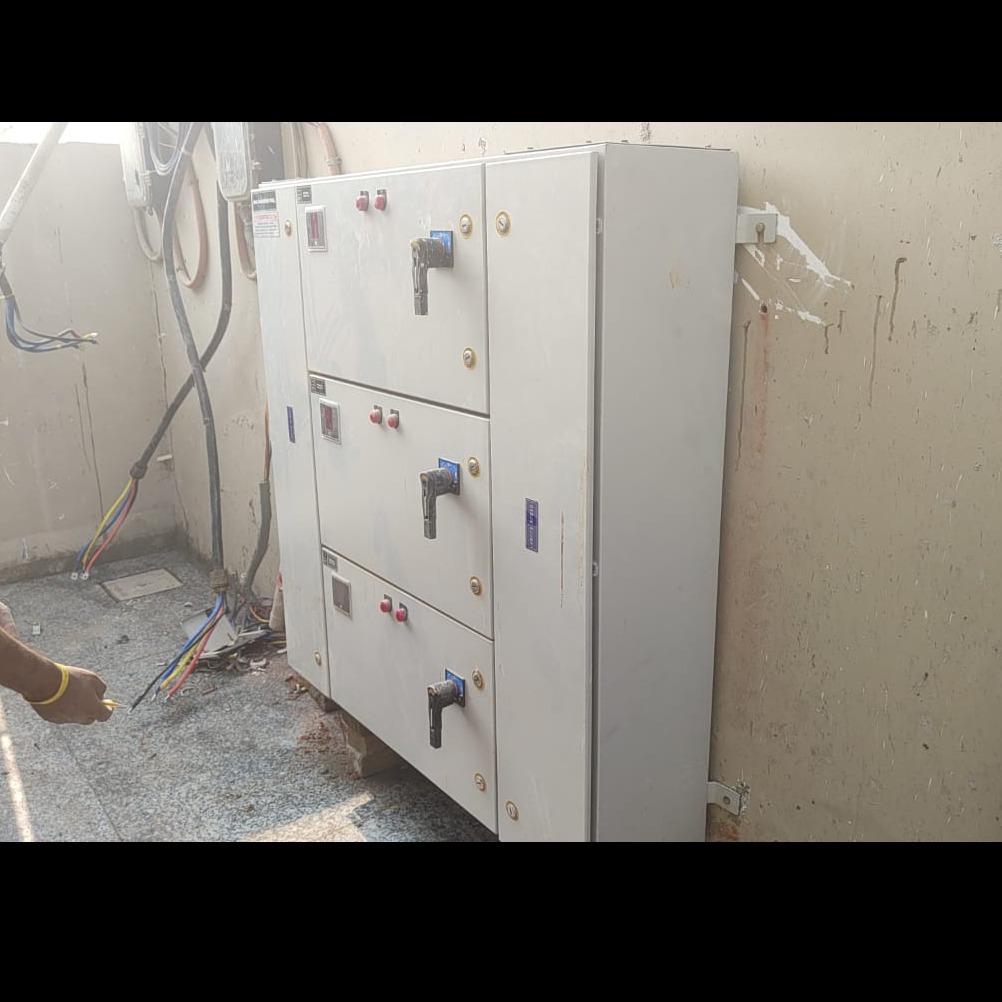
A power factor panel, also known as a power factor correction panel, is a crucial component in electrical systems designed to improve power factor and reduce electricity costs.
What is Power Factor?
Power factor is a measure of how effectively electrical power is being used.
Why are Power Factor Panels Important?
- Reduced Electricity Bills: Utilities often penalize consumers for low power factor.
By improving power factor, you can avoid these penalties and significantly reduce your electricity costs. - Increased System Capacity: A low power factor increases the current flowing through the system.
By improving power factor, you reduce the current, freeing up capacity in your electrical system. This allows you to add more equipment without overloading the system. - Improved Voltage Regulation: A low power factor can lead to voltage drops, which can affect the performance of equipment.
Power factor correction helps to stabilize the voltage. - Reduced Losses: Lower current due to improved power factor reduces resistive losses in cables and transformers, leading to greater efficiency.
- Longer Equipment Life: Reducing the stress on electrical components due to lower current can contribute to a longer lifespan for your equipment.
How Does a Power Factor Panel Work?
Power factor panels typically use capacitors to counteract the lagging current caused by inductive loads.
- Capacitors: These are the core components, storing and releasing electrical energy to correct the power factor.
They are switched in and out of the circuit as needed. - Contactors/Thyristors: These devices control the switching of the capacitors.
Contactors are electromechanical switches, while thyristors are solid-state switches that offer faster and more precise control. - Power Factor Controller: This is the "brain" of the panel. It monitors the power factor of the system and automatically switches the capacitors in and out as needed to maintain the desired power factor.
- Protection Devices: These include fuses, circuit breakers, and other protective components to ensure the safety and reliability of the panel.
- Enclosure: The enclosure houses all the components and provides protection from the environment.
Types of Power Factor Correction:
- Individual Correction: Capacitors are connected directly to individual loads, like large motors.
- Group Correction: A single power factor panel is used to correct the power factor for a group of loads.
- Central Correction: A power factor panel is installed at the main electrical supply point to correct the power factor for the entire facility.
Choosing a Power Factor Panel:
The size and type of power factor panel you need will depend on the specific requirements of your electrical system. Factors to consider include:
- Total kVA of the load: This is the apparent power of the load.
- Existing power factor: This is the current power factor of your system.
- Target power factor: This is the desired power factor you want to achieve.