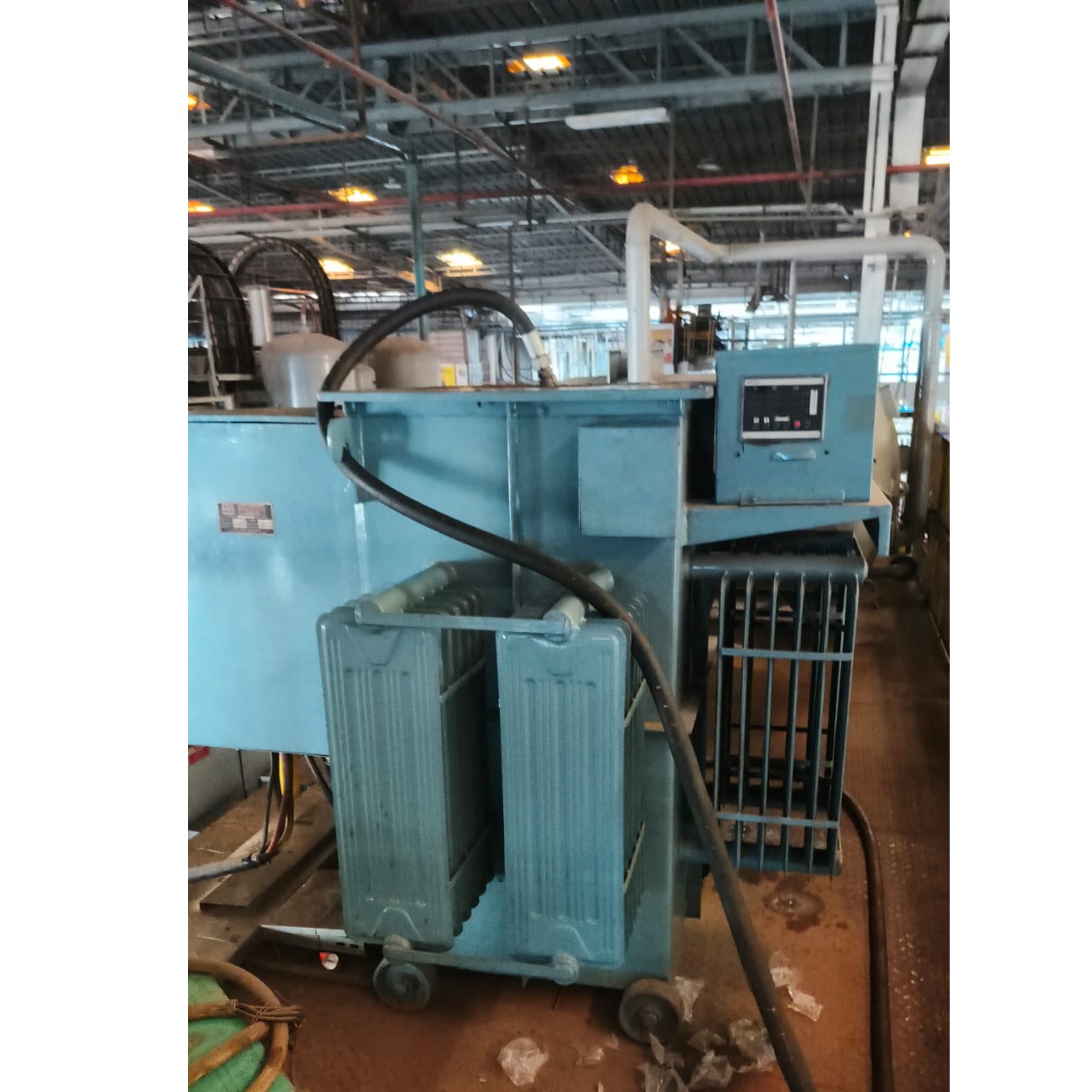
Top Electrical Safety Inspection Company in Noida Sector 24
Electrical safety is paramount in ensuring a secure and hazard-free environment. Regular electrical safety inspections are essential to identify potential risks and prevent accidents. These inspections involve a thorough examination of electrical systems, equipment, and wiring to ensure compliance with safety standards and regulations.
Key Areas Covered in Electrical Safety Inspections
- Wiring: Inspecting for damage, faulty connections, and overloaded circuits.
- Outlets and Switches: Checking for proper installation, grounding, and signs of wear.
- Appliances and Equipment: Assessing their condition, cord integrity, and adherence to safety standards.
- Circuit Breakers and Fuses: Verifying their functionality and capacity.
- Panel Boards: Examining for proper labeling, organization, and potential hazards.
- Grounding Systems: Ensuring effective grounding to protect against electrical shock.
Benefits of Regular Electrical Safety Inspections
- Reduced Risk of Electrical Fires: Timely identification and mitigation of fire hazards.
- Prevention of Electrical Shocks: Minimizing the risk of injuries and fatalities.
- Energy Efficiency: Optimizing electrical systems for energy conservation.
- Compliance with Regulations: Adhering to local, state, and national electrical codes.
- Insurance Requirements: Meeting insurance company guidelines for property protection.
- Peace of Mind: Knowing that your electrical systems are safe and reliable.
Tips for Maintaining Electrical Safety
- Hire a Qualified Electrician: For installation, repairs, and inspections.
- Avoid Overloading Circuits: Distribute electrical loads evenly.
- Use Surge Protectors: Protect devices from power surges.
- Inspect Cords Regularly: Check for damage and replace worn cords.
- Unplug Appliances When Not in Use: Reduce the risk of electrical fires.
- Keep Electrical Panels Clear: Avoid obstructing access.
- Be Cautious Around Water: Never use electrical appliances near water sources.