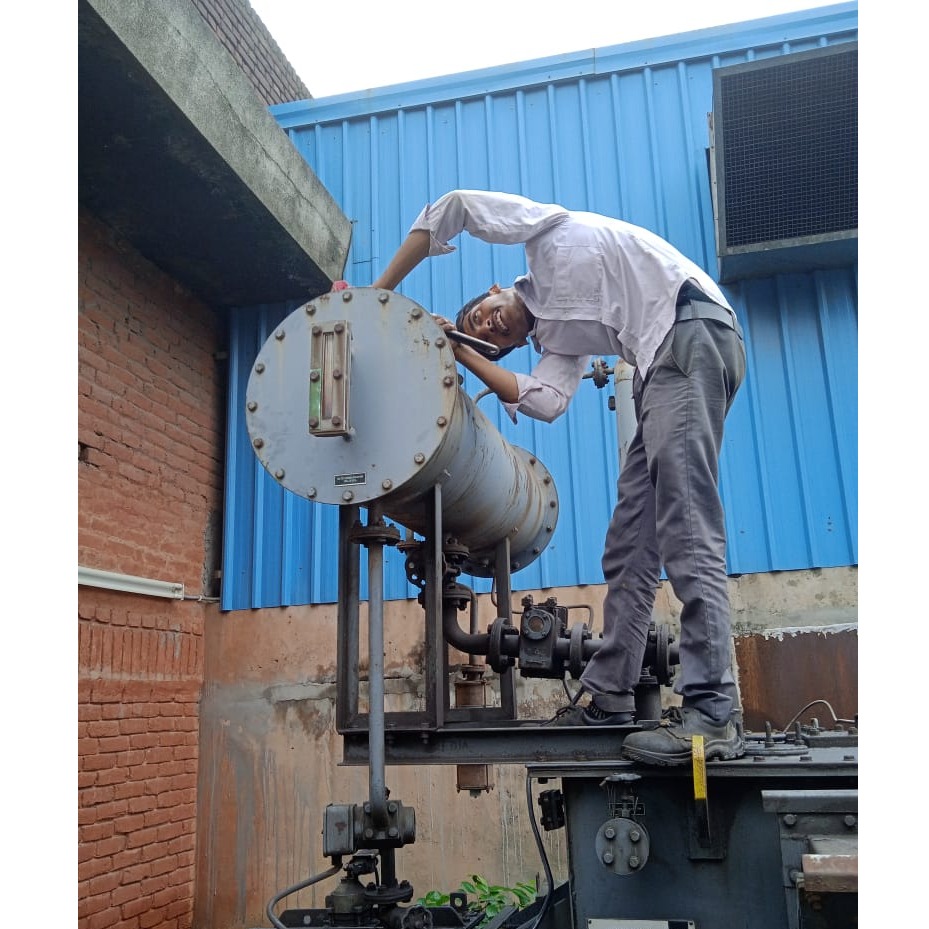
Top Seller of Distribution Transformer in Noida NSEZ
Distribution Transformer: Powering Your Neighborhood
A distribution transformer is a vital component of the electrical power distribution system, responsible for reducing high-voltage electricity from the transmission system to a lower voltage suitable for residential, commercial, and industrial use.
Key Components of a Distribution Transformer:
- Core: Typically made of laminated silicon steel, the core provides a magnetic path for the flow of magnetic flux.
- Windings: Copper coils wound around the core, forming the primary and secondary windings. The primary winding receives high-voltage electricity, while the secondary winding delivers low-voltage power.
- Insulation: Insulating materials, such as paper and oil, are used to prevent electrical short circuits between windings and the core.
- Tank: A protective enclosure that houses the core and windings, often filled with insulating oil to enhance cooling and insulation.
- Bushings: Insulating connectors that allow the entry and exit of high-voltage and low-voltage conductors.
Types of Distribution Transformers:
- Pole-Mounted Transformers: Smaller transformers mounted on utility poles, commonly used in residential areas.
- Pad-Mounted Transformers: Larger transformers enclosed in weatherproof cabinets, often installed on the ground near homes or businesses.
- Substation Transformers: Very large transformers located in substations, stepping down voltage for distribution to a wider area.
How a Distribution Transformer Works:
- Magnetic Induction: When high-voltage alternating current (AC) is applied to the primary winding, it generates a magnetic field in the core.
- Voltage Transformation: The changing magnetic field induces a voltage in the secondary winding, according to the principle of electromagnetic induction.
- Voltage Reduction: The number of turns in the primary and secondary windings determines the voltage ratio.
A higher number of turns in the primary winding compared to the secondary winding results in a lower voltage output.