Understanding BDV Testing for SERVO Oil
What is BDV Testing?
BDV, or Breakdown Voltage, is a crucial test to evaluate the dielectric strength of insulating liquids like transformer oil, including SERVO oil.
Why is BDV Testing Important for SERVO Oil?
SERVO oil, a high-quality lubricant, is used in various industrial applications.
- Assess Oil Condition: A low BDV value indicates the presence of contaminants, moisture, or degradation products, which can compromise the oil\'s insulating properties.
- Prevent Equipment Failures: Timely BDV testing can identify potential issues before they lead to equipment breakdowns, saving costs and downtime.
- Ensure Optimal Performance: High-quality SERVO oil with a high BDV value ensures efficient and reliable operation of electrical equipment.
How is BDV Testing Conducted?
BDV testing involves:
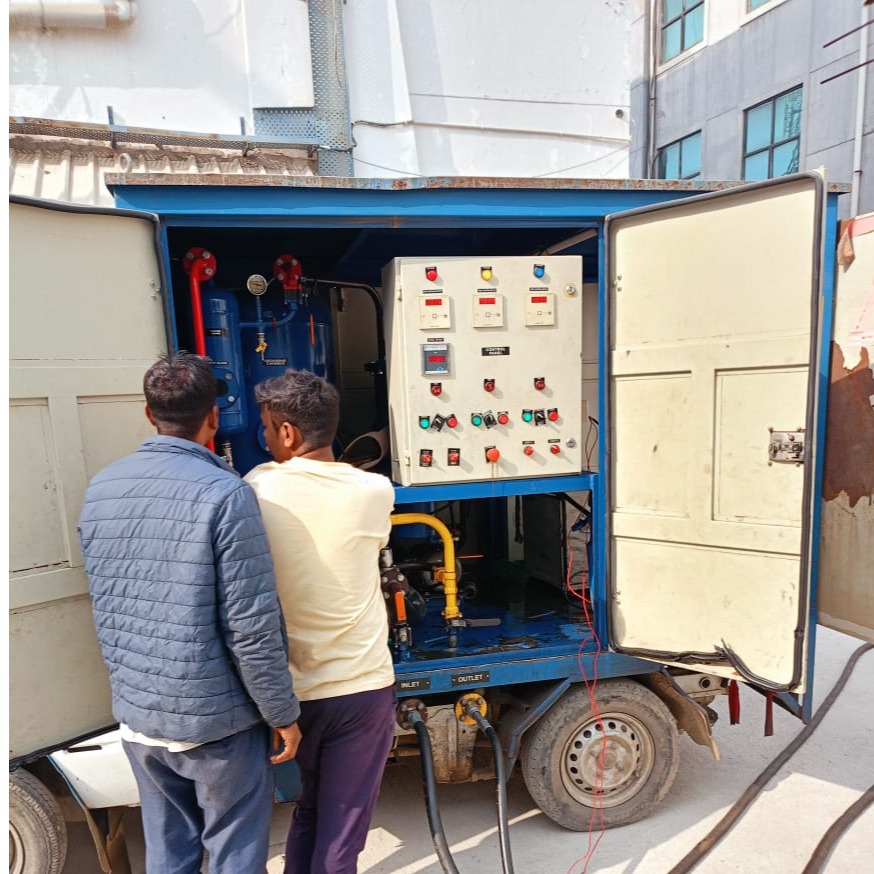
- Sample Preparation: A representative sample of SERVO oil is collected from the equipment.
- Test Setup: The oil sample is placed in a test cell with two electrodes separated by a specific gap.
- Voltage Application: A gradually increasing AC voltage is applied between the electrodes.
- Breakdown Measurement: The voltage at which the oil breaks down and conducts electricity is recorded as the BDV value.
Interpreting BDV Results
- High BDV Value: Indicates good dielectric strength and oil quality.
- Low BDV Value: Suggests potential contamination, moisture, or degradation.
SERVO Oil and BDV Testing
SERVO oil is designed to meet stringent industry standards and often exceeds them in terms of dielectric strength. Regular BDV testing helps ensure that the oil continues to provide optimal performance and protection for your equipment.