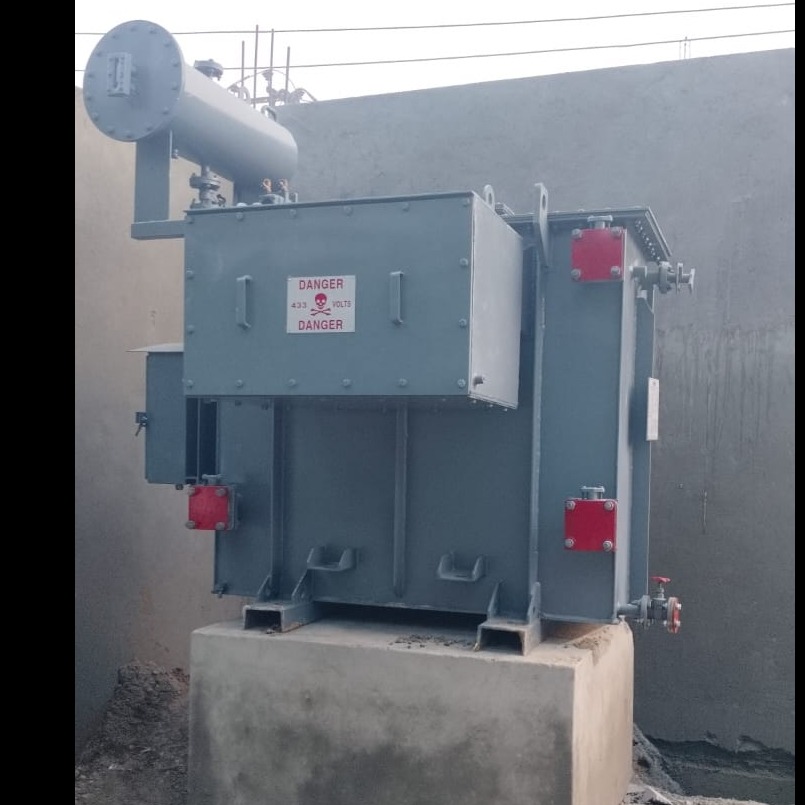
Top Supplier of Distribution Transformer in Sector 29 Noida
Distribution transformers are essential components of the electrical grid, playing a crucial role in delivering electricity from high-voltage transmission lines to homes and businesses.
Key Functions:
- Voltage Transformation: The primary function of a distribution transformer is to reduce the high voltage of distribution lines (typically ranging from 2 kV to 35 kV) to the low voltage used by most homes and businesses (typically 120/240 V).
- Isolation: Distribution transformers also provide electrical isolation between the high-voltage distribution system and the low-voltage consumer circuits, enhancing safety.
Types of Distribution Transformers:
- Pole-mounted Transformers: These are the most common type, typically seen mounted on utility poles. They are used to serve individual homes or small groups of customers.
- Pad-mounted Transformers: These transformers are mounted on a concrete pad and are typically used in underground distribution systems or to serve larger commercial or industrial customers.
- Underground Transformers: These are installed in underground vaults and are used in densely populated urban areas where above-ground installations are not feasible.
- Core: The core is made of laminated silicon steel, which helps to reduce energy losses.
- Windings: The transformer has two sets of windings: a high-voltage winding and a low-voltage winding.
- Insulation: The windings are insulated to prevent short circuits.
- Cooling System: Distribution transformers are typically cooled by oil or air.
- Tank: The core and windings are housed in a steel tank.
- Energy Efficiency: The use of high-efficiency transformers can help to reduce greenhouse gas emissions.
- Noise Pollution: Transformers can produce a humming noise, which can be a nuisance in residential areas.
Manufacturers are working to reduce noise levels. - Oil Spills: Oil-filled transformers can pose a risk of oil spills, which can contaminate soil and water.
Key Components:
Importance of Efficiency:
Distribution transformers are in operation 24 hours a day, 365 days a year. Even when no power is being used, they still consume a small amount of energy. Therefore, it is important to use high-efficiency transformers to minimize energy losses.
Environmental Considerations:
Conclusion:
Distribution transformers are a vital part of the electrical grid, ensuring that we have access to safe and reliable electricity in our homes and businesses.