Transformer Testing in Sector 81 Noida
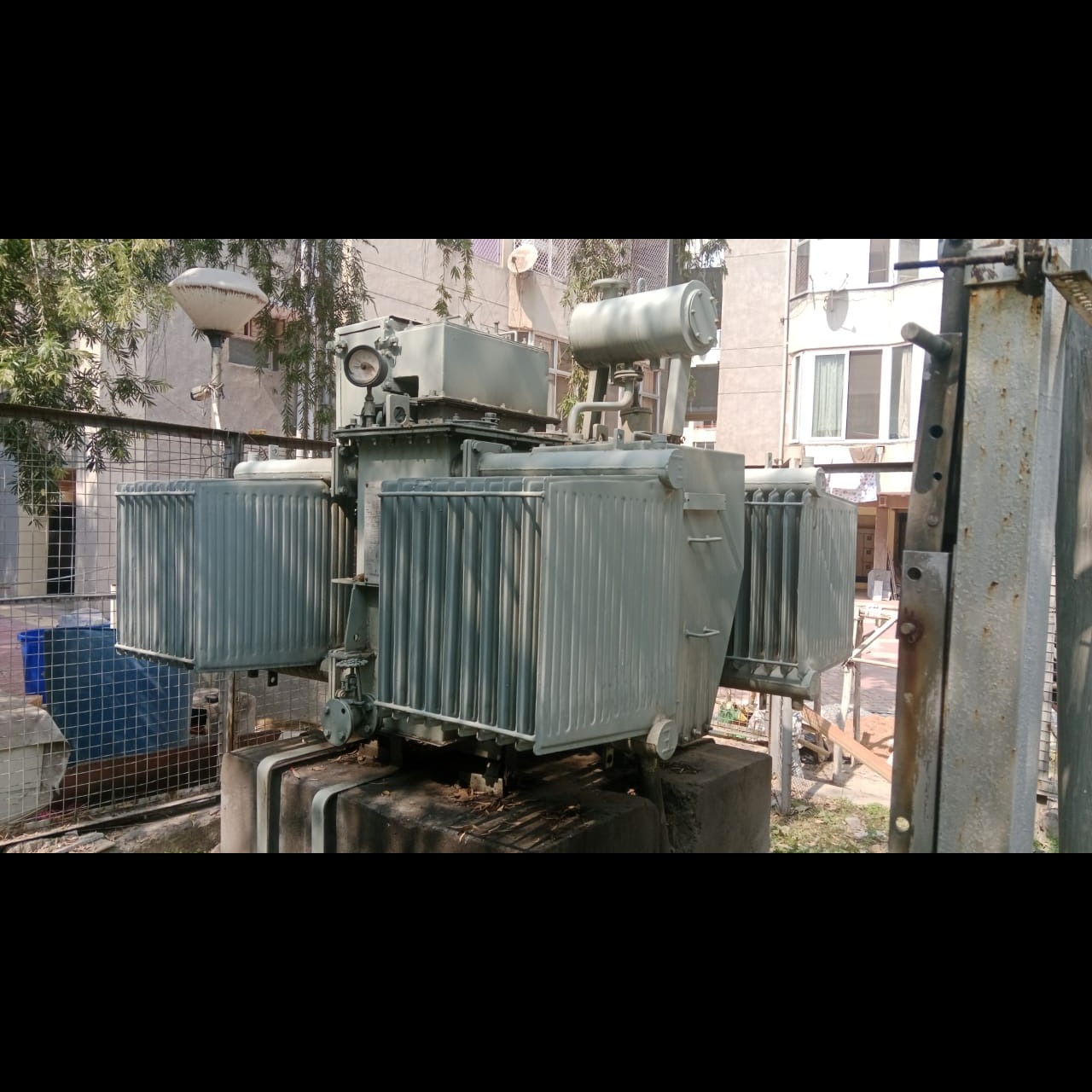
Transformer testing is a crucial process to ensure the reliability and safety of these essential electrical devices.
Purpose of Transformer Testing:
- Quality Assurance: To confirm that the transformer meets design specifications and manufacturing standards.
- Safety: To detect potential insulation weaknesses or other defects that could lead to failures and hazards.
- Performance Evaluation: To measure the transformer\'s efficiency, voltage ratios, and other operational parameters.
- Maintenance: To assess the condition of in-service transformers and identify potential problems before they escalate.
Types of Transformer Tests:
Transformer tests can be broadly categorized as:
- Routine Tests:
- These tests are performed on every manufactured transformer to verify its basic performance.
- Examples include:
- Winding resistance measurement
- Turns ratio test
- Insulation resistance test
- No-load loss and current measurement
- Dielectric tests
- Winding resistance measurement
- These tests are performed on every manufactured transformer to verify its basic performance.
- Type Tests:
- These tests are conducted on a prototype transformer to validate the design and performance characteristics.
- Examples include:
- Temperature rise test
- Short-circuit test
- Impulse voltage test
- Temperature rise test
- These tests are conducted on a prototype transformer to validate the design and performance characteristics.
- Special Tests:
- These tests are performed to meet specific customer requirements or to investigate particular performance aspects.
- Examples include:
- Noise level measurement
- Harmonic analysis
- dissolved gas analysis(DGA) of the oil.
- Noise level measurement
- These tests are performed to meet specific customer requirements or to investigate particular performance aspects.
- Pre-commissioning Tests:
- These tests are performed on site, before the transformer is placed into service.
- These tests help determine if the transformer was damaged during transport, or during installation.
- These tests are performed on site, before the transformer is placed into service.
Key Tests and Their Significance:
- Winding Resistance Test:
- Measures the DC resistance of the windings, indicating the integrity of the conductor connections.
- Measures the DC resistance of the windings, indicating the integrity of the conductor connections.
- Insulation Resistance Test:
- Evaluates the quality of the insulation between windings and between windings and the ground.
- Turns Ratio Test:
- Verifies the accuracy of the voltage transformation ratio.
- Temperature Rise Test:
- Determines the transformer\'s ability to dissipate heat under load.
- Dielectric Tests:
- Assess the insulation\'s ability to withstand high voltages.
- Dissolved Gas Analysis (DGA):
- This is a very important test for oil filled transformers.
- This test checks the oil for gasses that are produced by internal faults. This test can help predict if a transformer is failing.
- This is a very important test for oil filled transformers.
Importance of Regular Testing:
Regular transformer testing is essential for:
- Preventing unexpected failures and downtime.
- Extending the lifespan of transformers.
- Ensuring the safety of personnel and equipment.
- Optimizing transformer performance.
In conclusion, transformer testing is a vital process that contributes to the reliable and safe operation of electrical power systems.